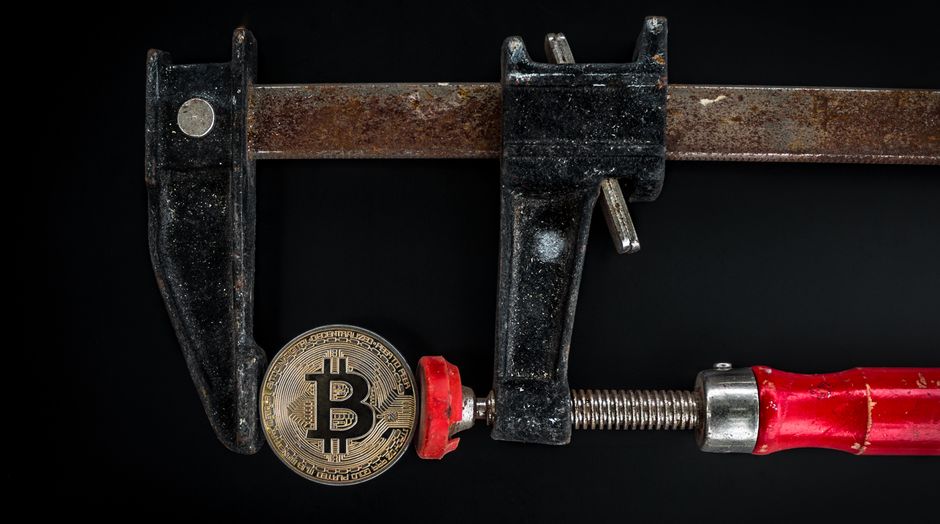
How to Secure Your Crypto Wallet from Hackers: The Ultimate Guide for Digital Asset Protection
In the rapidly expanding universe of cryptocurrency, digital assets represent more than just financial instruments; they are a testament to technological innovation and a new frontier of economic freedom. Yet, with great opportunity comes significant responsibility – specifically, the imperative to safeguard these assets from an ever-present and evolving threat landscape. For the discerning individual or institution engaging with crypto, the question is not if you need robust security, but how to implement it effectively.
The promise of decentralization, while empowering, also places the onus of security squarely on the individual. Unlike traditional finance where banks act as custodians, in crypto, you are your own bank. This guide is designed to empower you with the knowledge and best practices necessary to secure your crypto wallet, transforming you from a potential target into a fortified digital fortress. We will dissect the common attack vectors, explore the spectrum of wallet types, and equip you with a multi-layered security strategy to protect your digital gold.
Understanding the Evolving Threat Landscape
Before diving into solutions, it's crucial to comprehend the adversaries and their tactics. Crypto’s pseudonymity, high value, and irreversible transactions make it an irresistible target for malicious actors. Attacks are becoming increasingly sophisticated, ranging from technologically advanced exploits to cunning psychological manipulation.
- Phishing & Social Engineering: Still the most prevalent threat. Attackers impersonate legitimate entities (exchanges, wallet providers, influencers) to trick users into revealing private keys, seed phrases, or login credentials. This can be via fake websites, deceptive emails, or malicious direct messages on social media.
- Malware: Viruses, spyware, and ransomware designed to compromise your device. Keyloggers can capture your keystrokes, clipboard hijackers can alter wallet addresses during copy-paste, and remote access Trojans (RATs) can give attackers full control.
- SIM Swap Attacks: A high-level social engineering tactic where criminals convince your mobile carrier to transfer your phone number to a SIM card they control. This allows them to bypass SMS-based two-factor authentication (2FA) for your exchanges or online wallets.
- Supply Chain Attacks: Targeting the software or hardware itself. This could involve pre-loading malware onto a device bought from a non-official source or compromising a legitimate software update.
- Exploiting Software Vulnerabilities: While rare in mature wallets, new software or smart contracts can have bugs that hackers exploit to drain funds.
- Insider Threats: Though less common for individual users, employees of exchanges or service providers with malicious intent can pose a risk.
The Pillars of Crypto Wallet Security
Securing your crypto involves a comprehensive approach, combining the right tools with vigilant practices.
1. Choosing the Right Wallet: Your Digital Vault
Your choice of wallet is fundamental to your security posture. Wallets are broadly categorized into "hot" and "cold."
Hot Wallets (Connected to the Internet)
Hot wallets offer convenience and accessibility but come with inherent risks due to their online exposure.
- Exchange Wallets: Funds held on centralized exchanges (e.g., Binance, Coinbase).
- Pros: Easy to use, integrated trading, often insured against exchange-level hacks (not individual account hacks).
- Cons: You don't control your private keys ("not your keys, not your crypto"). Susceptible to exchange hacks, regulatory seizure, or platform insolvency. Best for trading small amounts, not long-term storage.
- Mobile Wallets: Apps on your smartphone (e.g., Trust Wallet, MetaMask Mobile).
- Pros: Highly convenient for everyday transactions, often user-friendly.
- Cons: Vulnerable if your phone is lost, stolen, or infected with malware.
- Desktop Wallets: Software installed on your computer (e.g., Exodus, Electrum).
- Pros: More control than exchange wallets, generally secure if your computer is clean.
- Cons: Vulnerable to malware on your PC.
- Browser Extension Wallets: Plug-ins for web browsers (e.g., MetaMask, Phantom).
- Pros: Seamless interaction with DApps and DeFi.
- Cons: Highly exposed to browser vulnerabilities, malicious websites, and phishing attacks.
Hot Wallet Best Practices:
- Limit Exposure: Only keep small amounts in hot wallets, akin to carrying pocket cash.
- Reputable Providers: Use well-established wallets with a strong security track record.
- Strong Passwords & 2FA: Always enable the strongest possible 2FA (hardware key is ideal) and use unique, complex passwords.
- Isolate Transactions: Consider using a dedicated device or browser profile for crypto interactions.
Cold Wallets (Offline Storage)
Cold wallets are the gold standard for security, keeping your private keys entirely offline, making them immune to online threats.
- Hardware Wallets: Physical devices designed specifically to store private keys securely (e.g., Ledger, Trezor, Keystone).
- Pros: The most secure option for storing significant amounts of crypto. Private keys never leave the device, even when transacting. Transactions are signed offline and then broadcast.
- Cons: Requires an upfront investment, less convenient for frequent, small transactions.
- Key Security Tips:
- Buy Direct: Always purchase hardware wallets directly from the manufacturer, not from third-party resellers (Amazon, eBay), to avoid tampering.
- Verify Authenticity: Always perform the manufacturer's authenticity checks upon receipt.
- Secure Seed Phrase: The most critical component. Never store it digitally. We'll elaborate on this below.
- Paper Wallets: Private keys and public addresses printed on paper.
- Pros: True air-gapped security, free.
- Cons: Prone to physical damage (fire, water), ink fading, and difficult to use securely for spending (requires importing into a hot wallet). Generally not recommended for active users anymore.
Cold Wallet Best Practices:
- Use for Long-Term Storage: Ideal for your "HODL" stash.
- Practice Transactions: Familiarize yourself with the device before storing large amounts.
- Regular Firmware Updates: Keep your device's firmware updated (only via official channels) for security patches.
2. Fortifying Your Digital Environment
Your interaction with crypto extends beyond just the wallet itself. The security of your entire digital ecosystem is paramount.
- Strong, Unique Passwords & Password Managers:
- Never reuse passwords. Each account should have a unique, complex password (minimum 12-16 characters, mix of upper/lower case, numbers, symbols).
- Use a reputable password manager (e.g., LastPass, 1Password, Bitwarden) to generate and store these securely.
- Two-Factor Authentication (2FA):
- Prioritize Hardware Keys (e.g., YubiKey): These are phishing-resistant and the strongest form of 2FA.
- Authenticator Apps (e.g., Google Authenticator, Authy): Better than SMS, but ensure backup codes are secured.
- AVOID SMS 2FA: Highly vulnerable to SIM swap attacks. If your exchange only offers SMS, push for an alternative or consider another exchange.
- Antivirus/Anti-Malware Software: Keep it installed, updated, and run regular scans on all devices used for crypto.
- Operating System & Browser Security:
- Keep Everything Updated: OS, browser, and all applications. Updates often include critical security patches.
- Secure Browser Settings: Disable unnecessary extensions, be wary of pop-ups.
- VPN (Virtual Private Network): Use a trusted VPN, especially on public Wi-Fi, to encrypt your internet traffic.
- Dedicated Device for Crypto: For maximum security, consider using a separate, air-gapped computer (never connected to the internet) for signing transactions with a hardware wallet, or at least a fresh, minimal OS install used only for crypto.
3. Mastering the Human Element: You Are the Ultimate Firewall
Statistics show that human error or manipulation is often the weakest link. Vigilance and education are your strongest defenses.
- Beware of Phishing & Social Engineering:
- Verify URLs: Always double-check the URL of any website you interact with. Bookmark legitimate sites and use them.
- Scrutinize Communications: Treat all unsolicited emails, messages, or calls with extreme skepticism. Legitimate entities will rarely ask for sensitive information via these channels.
- Think Before You Click: Hover over links to see their true destination. If it looks suspicious, don't click.
- Be Skeptical of "Too Good To Be True": Free crypto, guaranteed returns – these are almost always scams.
- SIM Swap Protection:
- Contact your mobile carrier and ask for extra security on your account (e.g., a strong PIN that must be provided in-person for changes).
- Limit personal information available online that could aid social engineers.
- Public Wi-Fi: Never conduct crypto transactions or access sensitive accounts on public, unsecured Wi-Fi networks. Attackers can easily intercept your data.
- Always Verify Addresses: When sending crypto, always double-check the recipient address character by character. Clipboard hijackers can silently replace the address you copied. For large transactions, send a small test amount first.
- Guard Your Personal Information: The less information a hacker has about you, the harder it is for them to target you or impersonate you.
4. The Indispensable Seed Phrase: Your Master Key
Your "seed phrase" (or recovery phrase, mnemonic phrase) is arguably the most critical component of your crypto security. It's a series of 12 or 24 words that acts as the master key to all your crypto funds. If you lose your wallet or it's damaged, your seed phrase is the only way to recover your assets.
- NEVER Store Digitally: This cannot be stressed enough. Do not take photos, store in cloud drives (Google Drive, iCloud), email, or text messages. Digital storage makes it vulnerable to hacks.
- Physical, Offline Storage:
- Write it Down: Use multiple sheets of paper, store them in separate, secure, and discrete locations (e.g., a safe deposit box, a fireproof home safe).
- Metal Backups: Consider engraving or stamping your seed phrase onto a metal plate. This protects against fire, water, and decomposition that paper is susceptible to. Products like Cryptosteel or Billfodl are designed for this purpose.
- Memorization (Advanced/Risky): For a very small number of words, it might be possible, but most seed phrases are too long to reliably memorize without error. Any mistake means lost funds.
- Split Backups (Advanced): For extremely high-value assets, you can split your seed phrase into multiple parts and distribute them among trusted individuals or locations (e.g., using Shamir's Secret Sharing Scheme). This reduces the risk of a single point of failure but increases complexity.
5. Advanced Security Practices
For those with substantial holdings or a deeper understanding, these practices add extra layers of defense.
- Multi-Signature (Multi-sig) Wallets:
- Require multiple private keys to authorize a transaction. For example, a 2-of-3 multi-sig wallet needs two out of three designated keys to sign off on any transfer.
- Ideal for joint funds, institutional holdings, or as an advanced personal security measure to protect against single points of failure.
- Cryptocurrency Diversification:
- Don't put all your digital eggs in one basket. Spreading your holdings across different wallets (e.g., multiple hardware wallets) and even different cryptocurrencies can mitigate risk.
- Regular Audits & Monitoring:
- Periodically check your wallet balances and transaction history for any unauthorized activity.
- Stay informed about security alerts from your wallet providers or exchanges.
- Stay Informed: The crypto and cybersecurity landscapes are constantly evolving. Subscribe to reputable security newsletters, follow experts, and stay updated on the latest threats and best practices.
What to Do If Compromised?
Despite all precautions, if you suspect your wallet has been compromised:
- Act Immediately: If you still have access to any funds, transfer them to a new, secure wallet (preferably a hardware wallet) without delay.
- Revoke Approvals: For DeFi users, if your wallet was connected to suspicious DApps, use tools like Etherscan's Token Approvals to revoke any unlimited spending allowances.
- Change Passwords & 2FA: Update all relevant passwords and 2FA methods, especially for related accounts like email and exchanges.
- Report the Incident: While recovery is rare, report the incident to the exchange (if applicable), and potentially law enforcement or cybercrime authorities.
- Learn from the Incident: Conduct a thorough post-mortem to understand how the compromise occurred and strengthen your defenses against future attacks.
Conclusion
Securing your crypto wallet from hackers isn't a one-time task; it's an ongoing commitment to vigilance, education, and the diligent application of best practices. By understanding the threats, choosing the right tools, fortifying your digital environment, meticulously protecting your seed phrase, and mastering the human element, you can transform your crypto assets from vulnerable targets into well-protected digital treasures. In the world of decentralized finance, your security is ultimately your responsibility – embrace it with the seriousness it deserves.